
FOUNDER’S STORY · PERSONAL EXPERIENCE
Why I Created Her Own Way
From self-blame to curiosity—and wanting other women to feel less alone.
“For most of my life, I thought I just needed to try harder.”
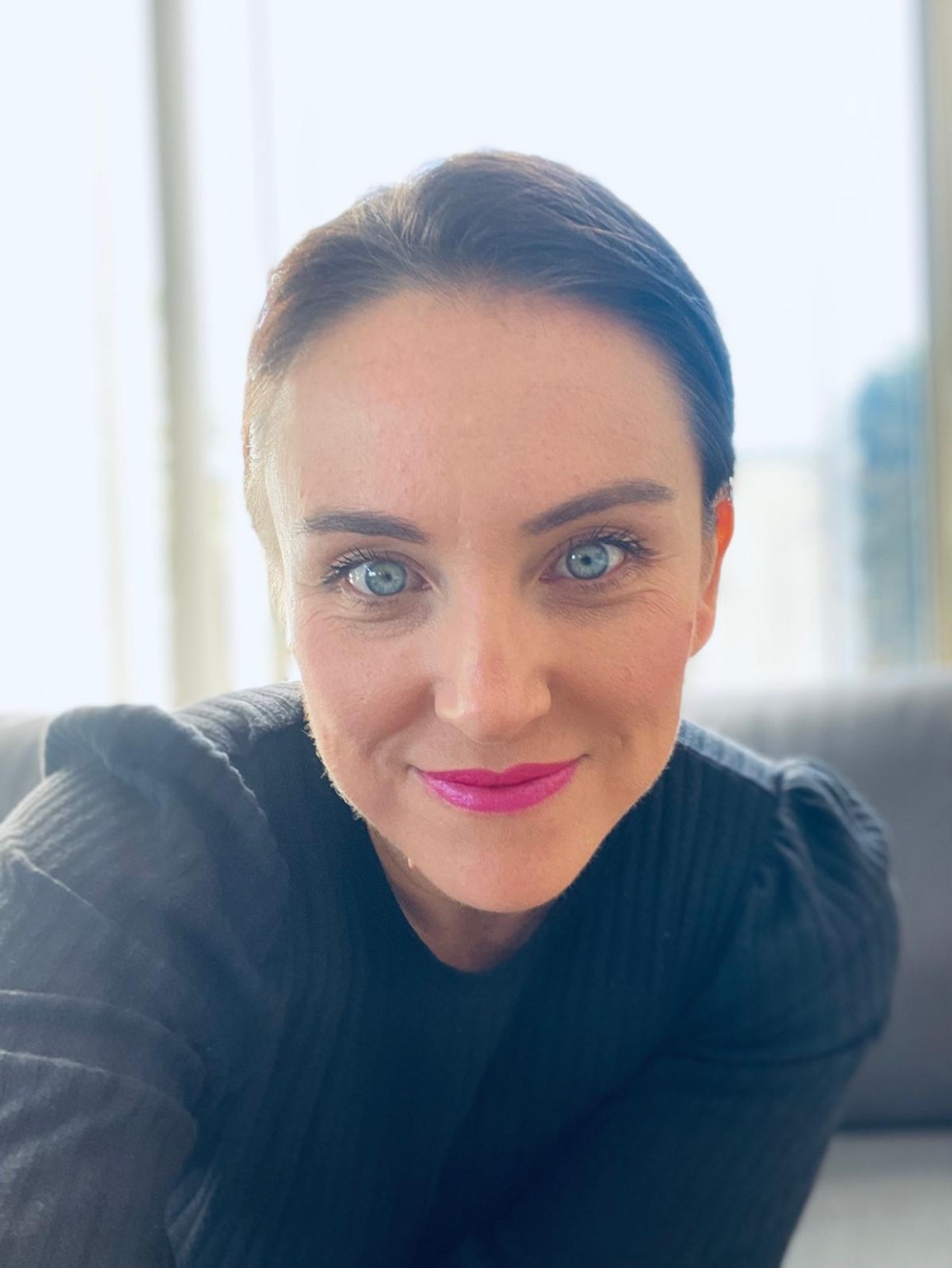
Years of trying harder
My struggles with weight started in my teens and followed me for decades. I would lose weight when I put absolutely everything into calorie restriction, then regain it when I couldn’t keep that level of effort going.
By my late 20s, I was already taking medication for high blood pressure and cholesterol. Through my 30s, my weight kept increasing, my energy dropped, and keeping up with young kids became harder.
At 39, after years of dieting, fasting and feeling worn down by the constant effort, I had gastric sleeve surgery. I lost around 40 kilos and got down to a size 12–14. It changed my life. But after a few years, some of the weight started to return, along with hunger, cravings, larger portions and what I now understand as food noise.
That food noise had been there for years: constant thoughts about what I was going to eat, what I shouldn’t eat, what I was craving, whether I should have it, and why I couldn’t just be more disciplined. I spent a lot of time blaming myself.
Weight wasn’t the only health issue I was dealing with. I had migraines from my teens, and by my 30s they were happening about every two weeks and could last for days. I saw a neurologist, tried multiple medications and eventually had Botox every three months for around two years, which reduced them significantly.
Exercise could also trigger migraines. That was incredibly frustrating: I often felt physically capable of doing more, but had to hold myself back.
Understanding my ADHD
Then, at 41, I was diagnosed with ADHD. For years I had struggled with impulsivity, organisation, executive function, emotional regulation, procrastination and overwhelm without really understanding why.
The diagnosis brought relief because things finally made sense. It also brought frustration at how long I had spent blaming myself for things I had found genuinely difficult.
The quiet that surprised me
Then I began using a product described as retatrutide. I had researched retatrutide for weight. That was the reason I started. But what surprised me most wasn’t the weight loss. It was the quiet.
The food noise almost disappeared.
One day I took a tub of ice cream out of the freezer, opened the seal, looked at it, and put it back. Before that, if I had opened that tub, I would have sat there with a spoon and eaten it. I remember being genuinely shocked that I could feel so completely uninterested in something I would normally have found hard to resist.
That moment made me look back at my whole weight journey differently. All those years I had told myself I needed more discipline. The diets, the fasting, the surgery, the guilt. Suddenly I was experiencing what it felt like when that constant mental battle wasn’t there.
I was also noticing changes outside food. I felt more focused, less impulsive, better organised and more emotionally regulated. I had more productivity and more mental space for my kids.
These are my observations. My experience alone cannot tell me what caused those changes, and I’m not saying retatrutide treats ADHD or migraines. The improvement in my migraines described earlier was during my Botox treatment. What this experience did was make me incredibly curious.
From personal experience to bigger questions
I had gone into this thinking about weight. Now I was wondering what else was being researched. What did the evidence actually say? What was promising, what was still experimental, and what were people experiencing in real life?
That curiosity is what led me to Her Own Way.
Once I started researching peptides more broadly, I realised how much work it takes to understand each one. The information is scattered across research papers, clinical trials, medical articles, regulatory updates, forums and personal experiences. Some of it is highly technical, some of it is promotional, and some of it is useful but difficult to piece together.
I kept thinking about other women who know the traditional answers haven’t been enough. Women who are still looking, still asking questions, and still trying to understand what options might exist beyond the usual pathways.
I’ve always loved empowering other women to live their best lives. I wanted to make this information easier to access: a place where real women’s experiences can sit alongside clear, easy-to-read research.
What I hope Her Own Way can offer
I want us to be able to talk honestly about weight, ADHD, migraines, menopause, recovery, peptides, metabolic medicines and other emerging approaches without pretending there is one answer for everyone. To be clear about what is established, what is still experimental, what the risks may be, and what we simply don’t know yet.
More than anything, I want women to leave feeling less alone, more informed and hopeful about the questions they can take into conversations about their own health.
My own journey is still unfolding. I don’t know where every treatment or peptide I explore will lead, and I don’t want Her Own Way to pretend emerging therapies are miracle answers. But I do know what it feels like to spend years fighting your own body and blaming yourself. And I know how powerful it can feel when something finally gives you hope.
Today, what I want is simple. I want to live in a healthy, energetic body. I want to exercise, go on travel adventures, feel comfortable in my clothes, and have the mental space to be present with my kids and enjoy my life.
If Her Own Way can help another woman feel less alone, more informed and more hopeful about finding what works for her, then it is doing exactly what I created it to do.
This is a personal account, not clinical evidence or a recommendation to use a treatment. Experiences and medical details have not been independently verified. How we distinguish stories from research →
KEEP ASKING QUESTIONS
Explore the evidence behind these questions
These research entries explore the questions raised by the story. They do not establish what caused any individual experience.
Retatrutide for obesity — NEJM, 2023
What a controlled obesity trial studied, and the limits of what its results can tell us.
Buying “Retatrutide” Online? Australian Testing Found Something Very Different in the Vial
Why research into a molecule and knowing the contents of a purchased product are different questions.
ADHD in Women: What Research Is Finally Asking—and What It Still Misses
What research asks about girls and women with ADHD, and the questions still missing.
Migraine Is Hard Enough Without Having to Prove You’re Unwell
The experience of living with migraine and struggling to be believed.
Perimenopause & menopause: joining the dots
How midlife questions connect weight, focus, sleep and movement.